Alera Labs is a contract research organization (CRO) providing analytical and pre-formulation support to small and mid-size pharmaceutical, biotech and medical device companies. Alera Labs was founded in 2010 after realization that most larger CROs are not able to accommodate the needs of the small startup companies requiring faster response times and operating with much smaller budgets. It is extremely crucial for a small startup funded by angel or venture capital funds to achieve milestones on time, and even a day delay means a world of difference in the success of the process or formulation, or start of toxicology or clinical studies.
Our company specializes in providing high quality analytical services at a low cost with the fastest turnaround time in the industry at no additional charge. Its founders worked on both sides of the CRO business (as part of a CRO and at pharmaceutical or medical device companies) and know all the shortcomings of the majority of the CROs firsthand.
We are the only company that would provide you with a quotation within 24 hours of your work request.
Starting with a proposal for the work that you require and working with you closely to bring your project to successful closure, we will always ensure timely communication and the most efficient solutions to your problems.

Recent advances and additions to our method portfolio include:
- Quantitative analysis of fatty acid composition and/or cholesterol in various matrices from as little as 1mg of sample
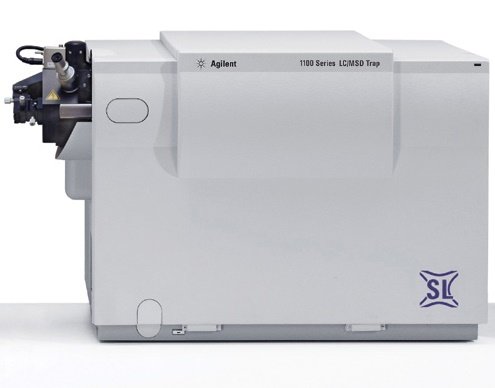
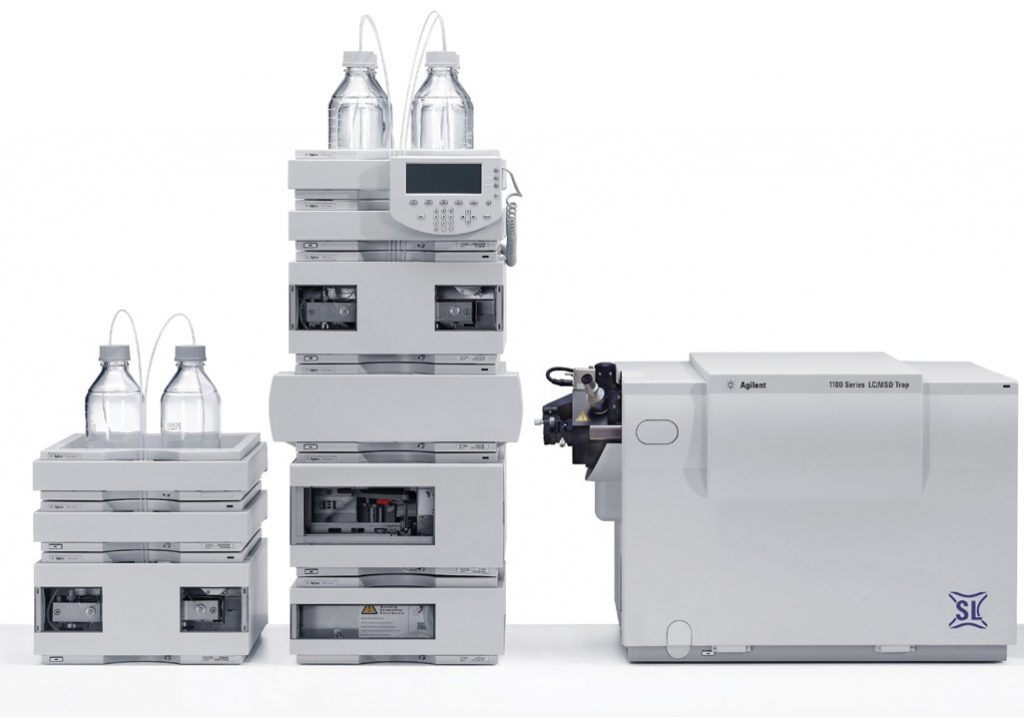
- Extremely sensitive in vitro method for determination of DNA crosslinks using LC-MS, which can be used for screening or optimization of anti-cancer drugs with DNA crosslinking mode of action
- Analysis of metabolic plant intermediates using LC-MS/MS at ppb levels, which is useful in monitoring transgenic plant metabolic pathways

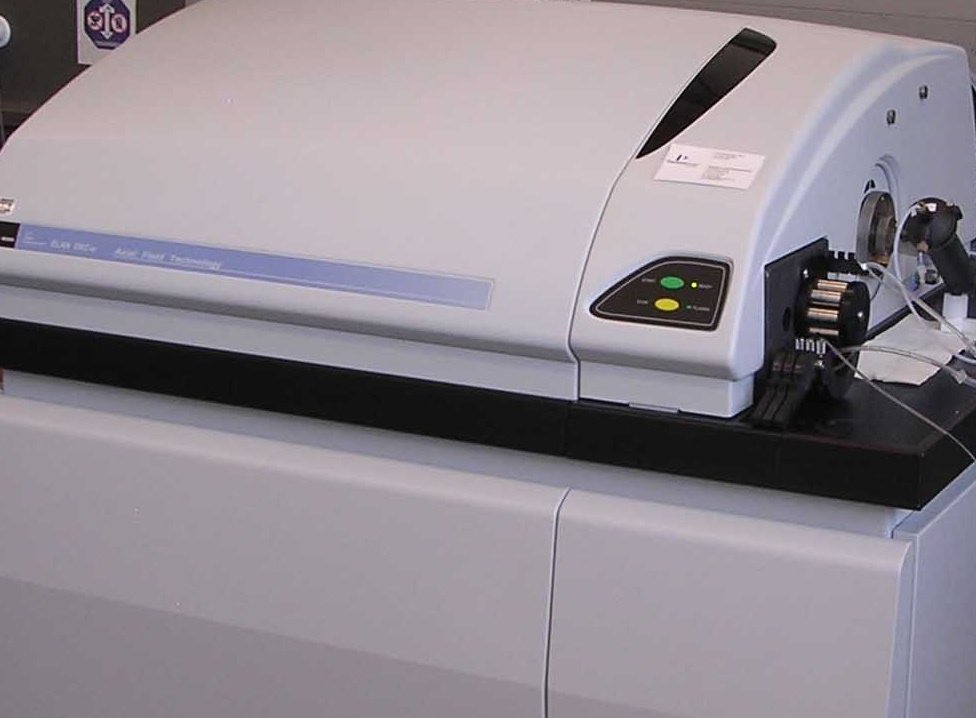
One of our clients requested to develop a method for a very low abundance plant intermediate. Major obstacles were instability of this metabolite during sample preparation and its surfactant nature, which presented a significant challenge in its chromatographic separation. We were able not only successfully develop a very sensitive LC-MS/MS method, but also achieve much higher recoveries in our spiking experiments compared to the best values published previously (90% vs 15%).
One of our clients needed to develop a very sensitive assay for the analysis of the residual lipid in the processed human and animal tissue samples. The major limitation was the amount of the material available for each determination - only a few milligrams. We were able to develop a very sensitive GC-MS method and use as little as 1mg of material to quantitatively determine fatty acid composition of each individual sample. Moreover, quick turnaround time (2 days in most cases) allowed our client to optimize their tissue processing methodology in only few months.